GDF Capital Mobilization
A Humanitarian, Educational, and Economic Transformation Framework
The future growth of nongovernmental organizations will increasingly depend on their ability to move beyond traditional aid delivery and toward integrated systems capable of producing long-term economic, educational, environmental, and institutional stability. Around the world, rising geopolitical tensions, economic inequalities, climate pressures, food insecurity, migration challenges, and governance instability are creating unprecedented demand for organizations able to provide practical and scalable solutions.
The proposed Global Development Foundation (GDF) seeks to position itself as a next-generation development platform capable of mobilizing human capital, technology, education, infrastructure, and financial participation for sustainable global impact.
At the center of this approach is the integration of:
Corventures Holdings LLC
BYAI-Quantum Capabilities
BCCU-MAGS Educational Systems
Green Education Curriculum Development (GECD)
Green Industrial Development (GID)
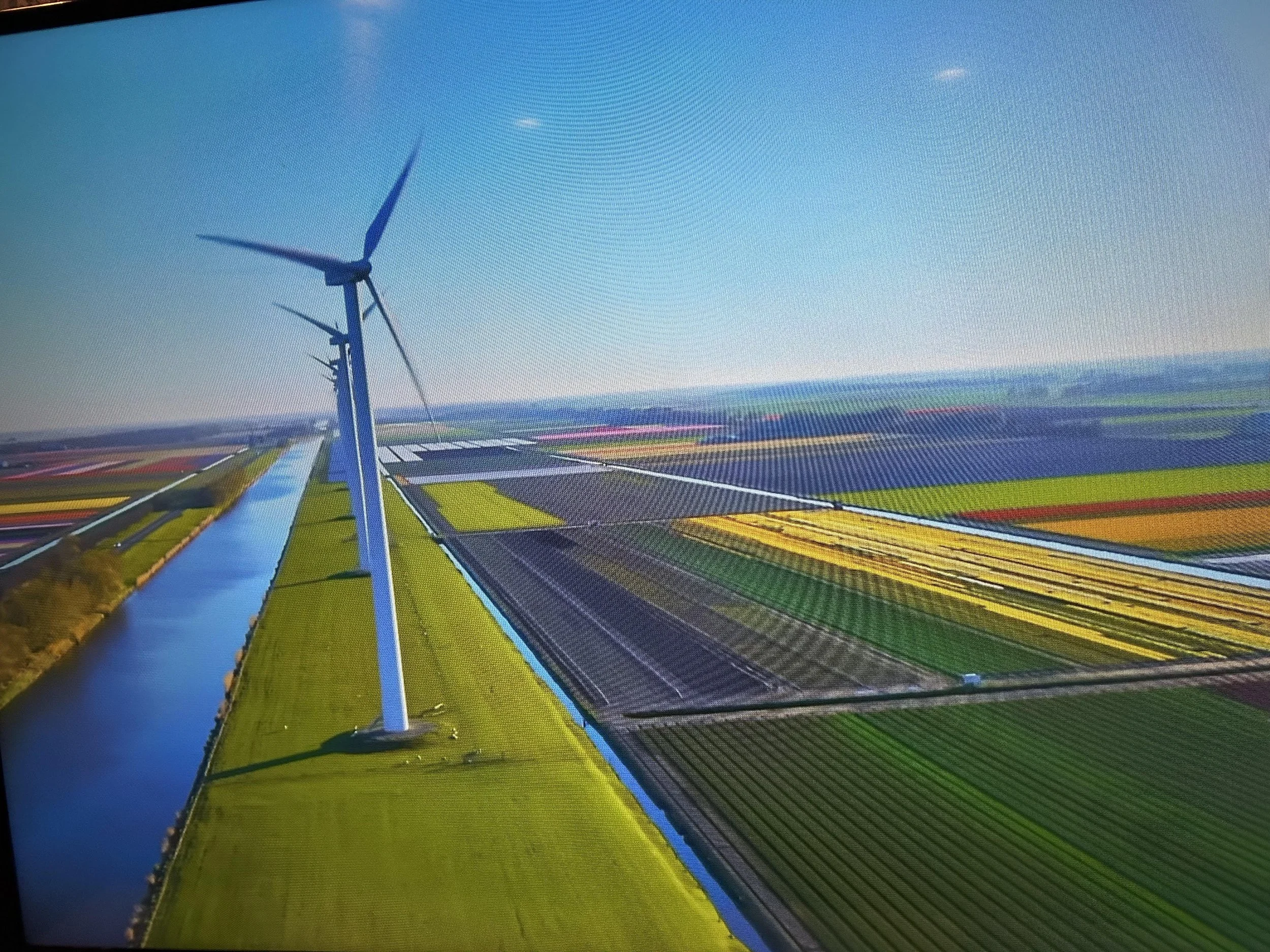
Integrated AgriVoltaic Solar Farm Systems
Livestock and Agricultural Development
Rivers, Ports, Oceanic, and Logistics Networks
AI-enabled education and governance support systems
Together, these initiatives aim to create interconnected local, regional, continental, and global development ecosystems that can generate self-sustaining socio-economic transformation.
Core Vision
GDF seeks to help nations and communities transition from dependency-based humanitarian systems toward self-sustaining educational, industrial, and economic development models.
The mission is not merely relief distribution.
The mission is transformation.
This includes:
Building educational systems capable of preparing future generations
Expanding clean energy and agricultural production
Creating jobs and entrepreneurship opportunities
Supporting ethical governance and institutional accountability
Encouraging peaceful cooperation among nations
Leveraging technology transfer and AI responsibly
Mobilizing diaspora communities and global partnerships
Promoting environmental stewardship and sustainable industrialization
The long-term objective is to help societies develop the internal capacity necessary to achieve durable peace, stability, and prosperity.
The GDF Difference
Many traditional humanitarian systems struggle because resources are frequently concentrated within administrative structures rather than reaching populations in need efficiently and transparently.
GDF proposes a different operational philosophy:
1. Human-Centered Development
Programs must directly improve:
Education
Food production
Energy access
Employment
Healthcare support systems
Infrastructure
Community resilience
2. Self-Sustaining Economic Mechanisms
Instead of relying solely on continuous donations, GDF initiatives seek to generate recurring economic activity through:
Agrivoltaic energy production
Agricultural processing
Technology transfer
Education services
Industrial parks
Green manufacturing
Regional logistics corridors
AI-enabled knowledge systems
3. Accountability Through BYAI-Quantum
BYAI-Quantum capabilities are envisioned as an integrated operational management framework supporting:
Project monitoring
Resource allocation
Educational deployment
Risk management
Transparency systems
Stakeholder coordination
Data-driven planning
Long-term development analytics
4. Education as the Foundation
Through BCCU-MAGS and GECD initiatives, GDF emphasizes that sustainable development begins with:
Teachers
Students
Technical training
STEM education
AI literacy
Environmental literacy
Ethical leadership development
Education becomes the engine that sustains all other sectors.
Strategic Development Pillars
Green Education Curriculum Development (GECD)
Preparing future generations for:
Science and technology
AI and digital systems
Environmental sustainability
Agricultural innovation
Leadership and governance
Entrepreneurship
Ethical and civic responsibility
Green Industrial Development (GID)
Building localized industrial ecosystems through:
Renewable energy
Food processing
Smart agriculture
Water systems
Manufacturing
Logistics
Ports and transportation networks
Integrated AgriVoltaic Systems
Combining:
Solar energy generation
Agricultural production
Livestock systems
Water management
Rural electrification
Community economic development
Global Resource Mobilization
GDF seeks collaboration among:
Donors
Governments
Development banks
Diaspora communities
Educational institutions
Faith-based organizations
Technology companies
Private investors
Local communities
Strategic Importance for Africa and Developing Nations
Many developing countries possess:
Vast natural resources
Young populations
Agricultural potential
Strategic geographic corridors
Renewable energy potential
Yet they continue to face:
Weak industrialization
Limited technology transfer
Educational gaps
Infrastructure deficits
Governance challenges
The GDF framework proposes leveraging local resources and regional cooperation to create:
Employment
Manufacturing
Energy independence
Educational modernization
Food security
Regional trade growth
Institutional stability
This aligns closely with continental development priorities associated with organizations such as:
African Union
AUDA-NEPAD
African Development Bank
Volunteer and Donor Mobilization
Future humanitarian and development success will depend heavily on global participation.
GDF seeks to encourage:
Volunteer networks
Student engagement
Diaspora participation
Academic collaboration
Technology mentorship
Faith-based cooperation
Youth leadership development
Donors increasingly want:
Transparency
Measurable impact
Long-term sustainability
Community ownership
Real economic outcomes
The integration of BYAI-Quantum systems and GECD-GID initiatives aims to provide measurable accountability and scalable development structures.
Long-Term Outlook
The future global environment will likely require organizations capable of operating simultaneously across:
Education
Energy
Agriculture
Technology
Governance
Humanitarian response
Economic development
Environmental sustainability
GDF’s long-term strategic ambition is to help build a development ecosystem where:
Communities become self-reliant
Youth become innovators
Natural resources are responsibly utilized
Technology supports humanity ethically
Economic systems become more inclusive
Peace and cooperation become economically beneficial
The vision recognizes that sustainable peace cannot exist without:
Education
Economic opportunity
Institutional trust
Environmental security
Human dignity
And that humanitarian assistance alone is insufficient without systems that empower people to build their own long-term prosperity.